
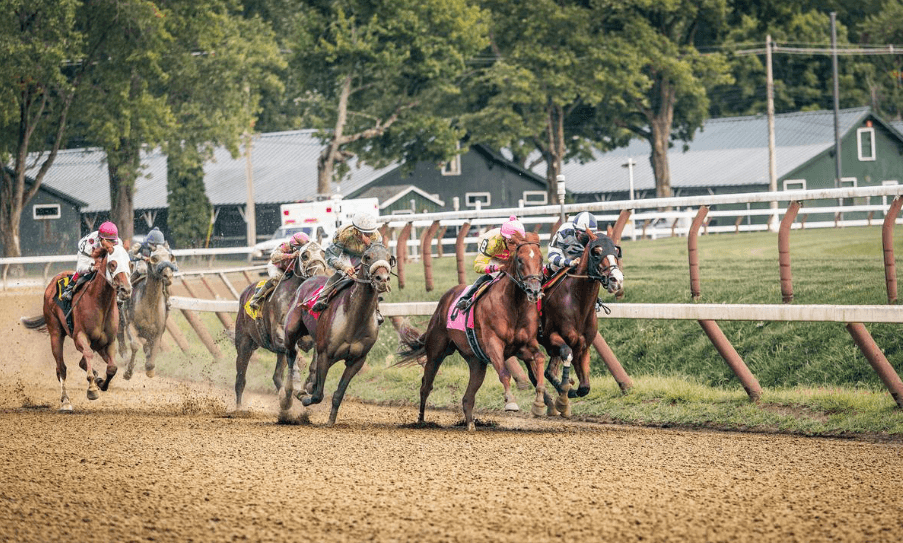
The horse racing industry stands at a crossroads, faced with the imperative to evolve amidst shifting societal values and technological advancements. Stakeholders must navigate a complex landscape that balances tradition with innovation while addressing growing concerns around animal welfare. As the allure of alternative entertainment options rises, the industry’s ability to remain relevant and appealing to younger audiences becomes increasingly critical. What strategies will emerge to ensure the sustainability of this time-honored sport?
The Current Landscape of Horse Racing
As the horse racing industry navigates a rapidly evolving landscape, it faces a myriad of challenges and opportunities that shape its future.
Current trends reveal a shift towards attracting younger audiences while addressing industry challenges such as regulatory scrutiny and animal welfare concerns.
Balancing tradition with innovation is essential for growth, prompting stakeholders to adapt and reimagine the sport to ensure its sustainability and appeal.
Technological Innovations Impacting the Industry
While the horse racing industry grapples with various challenges, technological innovations are emerging as pivotal drivers of transformation.
Data analytics is revolutionizing race strategies and betting patterns, enhancing decision-making for trainers and bettors alike.
Additionally, virtual racing provides an engaging alternative, allowing fans to experience the thrill of the sport without the constraints of traditional barriers, fostering a broader audience and increased participation.
See also: Horse Racing and the Development of Winning Horses
Addressing Animal Welfare Concerns
Although the horse racing industry has long faced scrutiny over its treatment of equine athletes, addressing animal welfare concerns has become a critical focus for stakeholders.
Regulatory reforms aimed at enhancing the safety and wellbeing of racehorses are increasingly important. As these changes take effect, they may positively influence public perception, fostering a more compassionate view of the sport while ensuring the industry’s sustainability.
The Role of Alternative Entertainment in Shaping the Future
The growing emphasis on animal welfare in the horse racing industry has prompted stakeholders to explore innovative avenues for maintaining audience engagement.
Virtual events and immersive experiences are emerging as vital components, allowing fans to connect with the sport in dynamic ways.
Conclusion
As the horse racing industry gallops into a new era, it must expertly navigate the winding tracks of tradition and innovation. By embracing technological advancements and prioritizing animal welfare, stakeholders can rejuvenate the sport, drawing in a younger, more diverse audience. The synthesis of classic allure with modern entertainment options promises to create a vibrant tapestry of engagement, ensuring that horse racing not only survives but thrives, galloping boldly into the future with renewed purpose and relevance.




 Horse Racing and the Growing Influence of Women in the Sport